Bills do not wait for your situation to improve. Rent, utilities, groceries, medical costs — they keep coming regardless of what happened to your income last month. For households living close to the edge, one unexpected expense is often all it takes to tip the balance from manageable to unmanageable. The practical question is not whether to ask for help. It is where to start and how to move quickly enough to stay ahead of the consequences.
There are more resources available for people in this position than most realize. Government programs, nonprofit organizations, and community agencies all operate assistance options specifically for households that cannot cover essential bills on their own. The challenge is knowing which programs exist, what they cover, and how to access them before a late notice becomes a disconnection or an eviction.
Start With the Bills That Have the Worst Consequences
Not all unpaid bills carry the same risk. Housing and utilities sit at the top of the priority list because losing them creates cascading problems that are much harder and more expensive to recover from than a missed credit card payment or a late medical bill.
Rent comes first. An eviction on your record makes it significantly harder to secure housing in the future, and the process of recovering from homelessness is far more difficult than preventing it. If you are behind on rent or anticipate falling behind, contact your local emergency rental assistance program before a formal eviction proceeding begins. Most programs pay landlords directly and cover multiple months of arrears, not just the current month. Calling 211 is the fastest way to find out what rental assistance programs are currently active in your county.
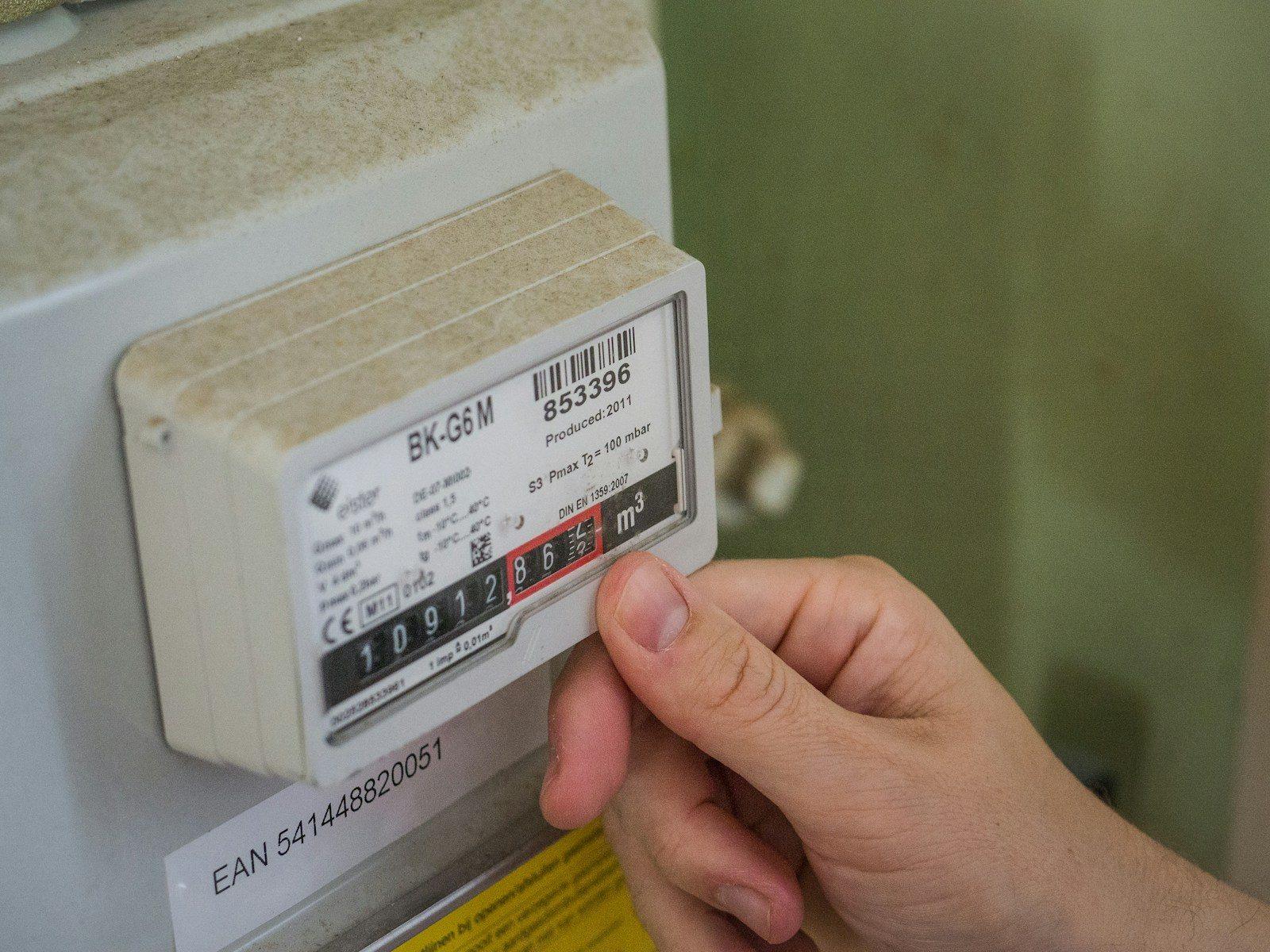
Utility bills come second. A disconnection notice triggers reconnection fees on top of the original balance, and in some states, a new deposit is required before service is restored. That means a $200 past-due bill can quickly become a $400 problem once reconnection costs are added. The Low Income Home Energy Assistance Program, known as LIHEAP, provides federally funded assistance with heating and cooling costs for qualifying households. Many states also have crisis intervention components that can move faster than the standard application when disconnection is imminent.
Government Programs Worth Applying For
LIHEAP is administered at the state level, and benefit amounts, income limits, and application windows all vary by location. Most states set the income threshold at or below 150 percent of the federal poverty line, with priority given to households that include elderly members, young children, or individuals with disabilities. Applications go through state energy offices or local community action agencies. You can find your state’s contact through the Administration for Children and Families at acf.hhs.gov.
The Temporary Assistance for Needy Families program, called TANF, provides cash assistance to low-income families with children. Some states allow TANF funds to be used for housing-related expenses including past-due rent and utility payments. Rules vary significantly by state, so contact your local social services office to ask specifically what TANF covers for housing and bill assistance in your area.
Supplemental Nutrition Assistance Program benefits, commonly called SNAP or food stamps, free up cash that would otherwise go toward groceries. For households that qualify, redirecting grocery spending to SNAP benefits creates room in the monthly budget to cover other essential bills. The application is handled through your state’s social services or human services department, and many states offer online applications with faster processing times than in-person visits.
The benefits.gov portal lets you screen for multiple federal programs at once. Running a quick eligibility check on that site takes about ten minutes and surfaces programs across housing, food, energy, and healthcare that match your household profile. It is a useful starting point if you are not sure which programs to pursue first.
Nonprofit and Community Organizations That Cover Gaps
The Salvation Army operates financial assistance programs in communities across the country. Depending on the local branch and available funding, assistance may cover utility bills, rent, food, and other essential expenses. Benefits and availability vary by location, so contacting your nearest branch directly gives you the most accurate picture of what is currently available.
Catholic Charities runs similar programs in most states, with some offices offering direct bill payment assistance and others providing case management that connects households to multiple resources at once. Local chapters often have relationships with utility companies and landlords that allow them to negotiate on behalf of clients in ways that individual households cannot do alone.
Community action agencies serve as local clearing houses for assistance of all kinds. These agencies typically administer LIHEAP at the local level, run their own emergency assistance funds, and maintain current lists of other programs accepting applications in the area. Finding your nearest agency through communityactionpartnership.com puts you in contact with staff who know exactly what is available and can help you navigate multiple applications at the same time.
How to Move Through the Process Efficiently
The households that access help fastest are the ones that show up prepared. Before contacting any program, gather the documents that almost every application will ask for. Those include proof of current income for all household members, recent copies of the bills you need help paying, a government-issued photo ID, and proof of your current address. Having those documents ready before you make the first call cuts the back-and-forth significantly and keeps you from losing your place in a queue while you track down paperwork.
Apply to more than one program at the same time. There is no rule against pursuing rental assistance, LIHEAP, and a nonprofit emergency fund simultaneously. Programs have different funding sources, different income limits, and different processing timelines. Casting a wider net increases the likelihood that at least one comes through before a deadline passes.
Follow up. Programs receive high volumes of applications and processing delays are common. A brief follow-up call a week after submitting an application confirms your documents were received and keeps your case visible. If a program tells you they are out of funding, ask whether they maintain a waiting list or can refer you to another organization with active funds.
Financial hardship rarely resolves in a single step. The programs described here are not permanent solutions to structural budget problems, but they are real, accessible bridges that keep essential services running and housing stable while a household works toward more solid footing. They exist because the gap between expenses and low incomes is a documented reality, and using them is exactly what they are there for.
Leave a Reply